

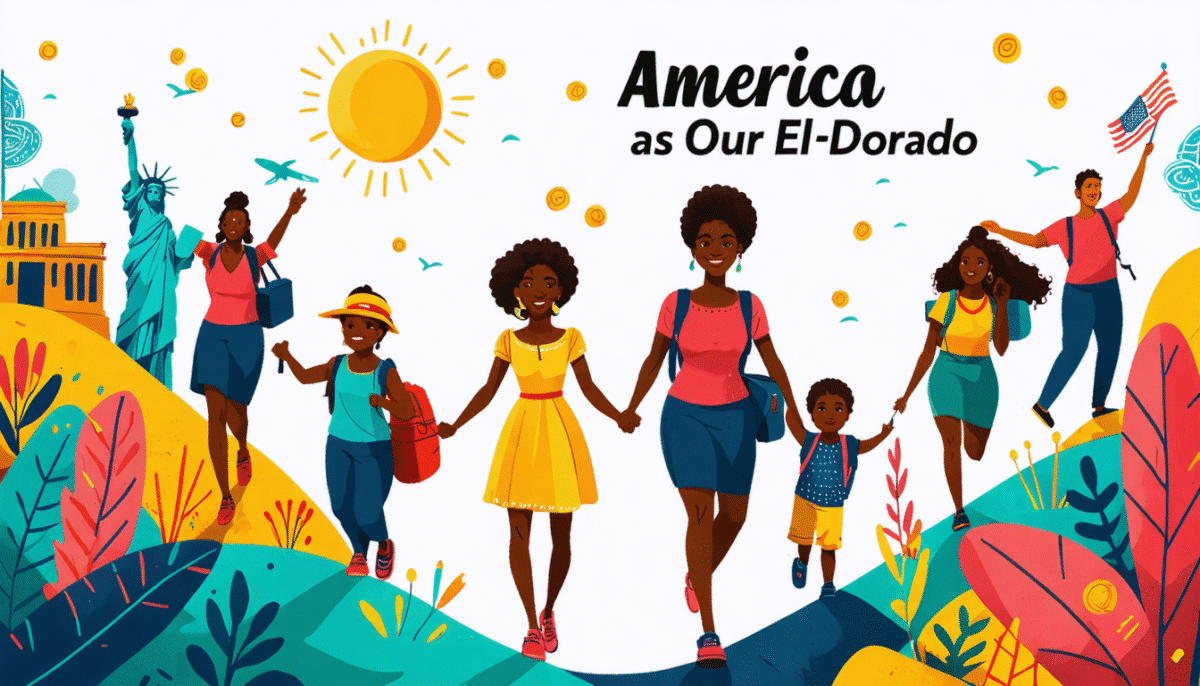
The American borders, once synonymous with social mobility and fruitful labor for many Africans, now generate dismay and disillusionment. The new travel bans deprive an entire youth of future prospects, disrupting family and economic dynamics. The imposition of a tax on remittances weakens the financial fabric of several nations, shaking a vital system based on money transfers from the diasporas. Under the guise of security, these measures outline an unprecedented marginalization of Africans on the global chessboard and exacerbate the quest for sovereignty among affected states. The consequences settle insidiously, altering the geography of collective hopes and individual ambitions, as distrust towards traditional transatlantic partnerships amplifies.
| Spotlight |
|---|
|
The American Dream Shattered for African Youth
America fascinates with its image of Eldorado for many Africans, projecting the hope of social ascent, professional success, and family financial support. This attractiveness now clashes with reinforced migration barriers that disrupt lives and force a reevaluation of aspirations. The narratives converge: the quest for the American dream is facing a brutal return to reality.
This reality takes on a different dimension when young people, bearers of educational and social projects, suffer the full brunt of halted mobility. American restrictions hinder access to education and stifle innovation. Many bright minds remain stuck, similar to the enthusiasm generated by other Eldorados, such as Croatia, now referred to as the “other Mediterranean.”
The Human and Economic Consequences
*The travel bans do not only affect individual mobility; they exacerbate exclusion on a continental scale*. The inability to obtain certain visas, along with the suspension of student appointments, plunges entire families into uncertainty. Thousands of young people see their educational prospects compromised, while transnational family relationships diminish.
The potential adoption of a tax on money transfers, set at 3.5%, would further increase the pressure. This tax would deal a severe blow to already fragile economies by reducing the essential contributions of African diasporas to their countries of origin. Direct beneficiaries — families, students, the sick — would see their incomes decrease, as these remittances constitute, for some states, a resource as crucial as gold was to the American West during the gold rush.
The New Face of Relations Between the United States and Africa
Several observers describe this turnaround as a “institutionalized schism,” likely to embed a perception of *Western exclusivity* over the long term. On the diplomatic front, once-stable alliances are faltering. Some states, like Chad, respond with measures of reciprocity symbolizing national dignity rather than political impotence. In West Africa, authorities generally opt for a measured tone, emphasizing the maintenance of “productive” relations, despite overstay rates being cited as the sole justification.
The feeling of abandonment spreads, fueling a growing mistrust towards Western powers, much like the phenomenon of mass tourism and its contemporary challenges in Seville. Initiatives for new South-South partnerships are developing, replacing the American dream with other horizons of hope.
Everyday Life and Individual Realities
Families dependent on money sent from abroad see their security compromised. Financial costs would rise significantly, straining the budget set aside for schooling or healthcare. A simple transaction can become an insurmountable obstacle. These issues extend beyond the economy; they outline an emotional landscape marked by discouragement, sometimes resilience.
The restriction of mobility does not evoke the same intensity of emotion in all concerned African societies. In some countries, the United States occupies a marginal position in migration dynamics, unlike the rush towards popular tourist destinations such as the masserias in Puglia or Japan through free travel competitions.


