

|
IN BRIEF
|
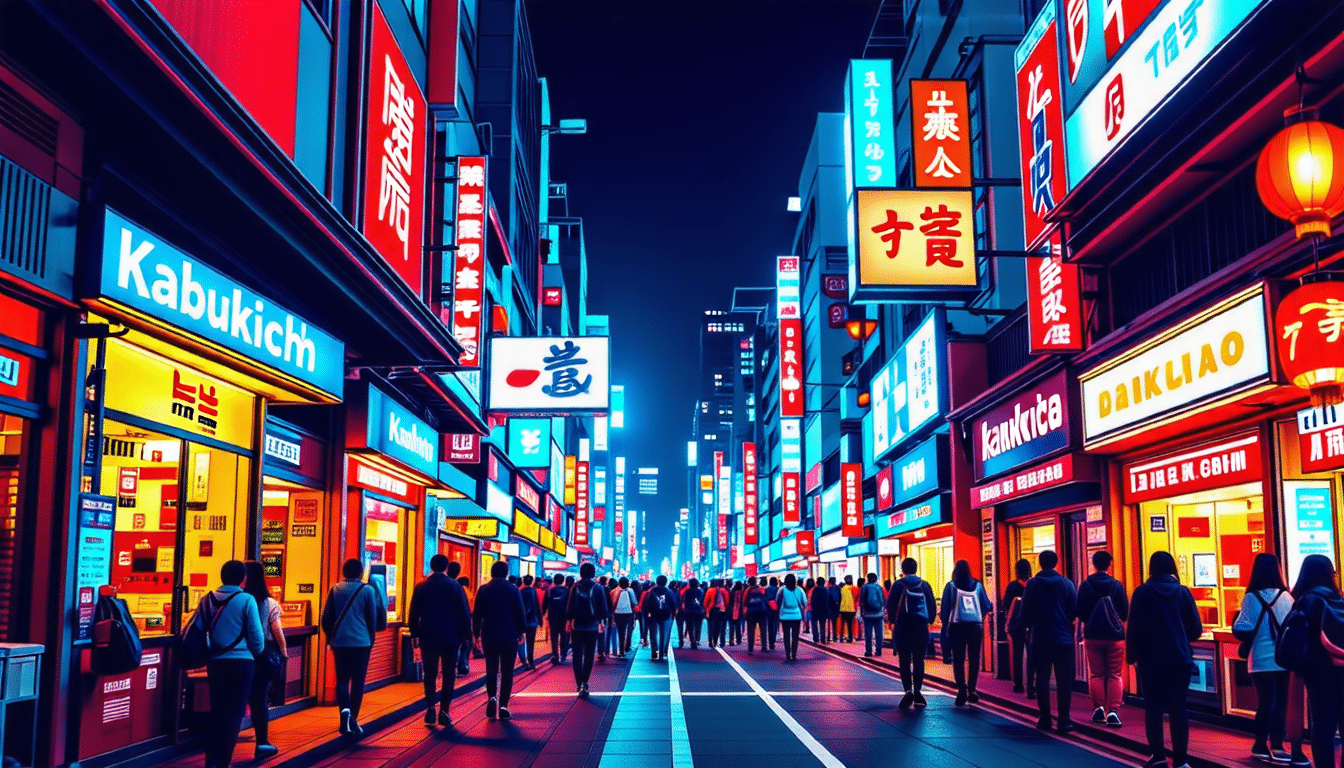
At the heart of Tokyo, in the bustling Shinjuku district, lies Kabukicho, a multifaceted area that is both fascinating and disturbing. Known for its vibrant nightlife, it is also a hotspot for prostitution where clients seeking thrills converge with sex workers, often trapped in a cycle of exploitation. This text unveils the hidden realities of Kabukicho, while exploring its growing role as a destination for sex tourism.
A gray area: between laws and clandestine activities
Kabukicho is often perceived as a sanctuary of debauchery where street prostitution flourishes under the cover of anonymity. This district, while imbued with a certain legitimacy in the eyes of tourists, is considered by authorities as a high-risk territory. Police raids in the area highlight the tensions between existing laws and the practices that take place there. Clients often come unaware of the dangers that await them, drawn by the exoticism and illegality underlying the experience.
Okubo Park: epicenter of sexual activity
At the center of this frenzy, Okubo Park proves to be a hub of nocturnal activities. Night workers, in search of the perfect candidate, roam this space where laughter and whispers mingle, but also despair and vulnerability. Sex workers, after their long hours spent in establishments such as hostess bars, often return to this park to supplement their income. This cycle of returning here reflects the economic pressures that push them to remain in this environment.
A spiral of indebtedness
The hostess bars, with their charm and promises of emotional support, contribute to the increase of sex work in Kabukicho. For many women, these establishments are not just a workplace but a trap. They find themselves cornered in a cycle of debt where repaying their debts to the bars forces them into prostitution. Approximately 43% of women apprehended for prostitution in Tokyo in 2023 admitted to being coerced into “selling their bodies” to pay off debts, a tragic aspect of their daily lives.
The face of sex tourism
Sex tourism has surged, bolstered by a wave of foreign visitors eager to discover another side of Tokyo. Okubo Park is now stamped as a must-visit for many travelers seeking out extraordinary experiences. Kazuna Kajiri, an actress involved in the fight against sexual violence, noted that this place has become an integral part of modern tourism, with groups of clients accompanied by translators to sharpen their negotiations, making the situation even more precarious for the workers.
Ongoing dangers
However, the glittering facade of Kabukicho conceals a darker reality. Dangers are ever-present, fueled by unpredictable client behavior. Physical violence, blackmail, and the spread of sexually transmitted diseases have become routine elements in the lives of women in this district. Accounts recount assaults, echoing concerns of a systemic injustice where the responsibility rests solely on sex workers in the event of conflict.
A double punishment
The cruel aspect of this reality manifests in the judicial treatment of sex workers. In the context of a paid sexual act, it is often she who bears the legal consequences, thus creating a double punishment for women already in difficulty. Exposed to violence and exploitation, they often find themselves trapped in a system that devalues them while rendering them invisible to society.


