

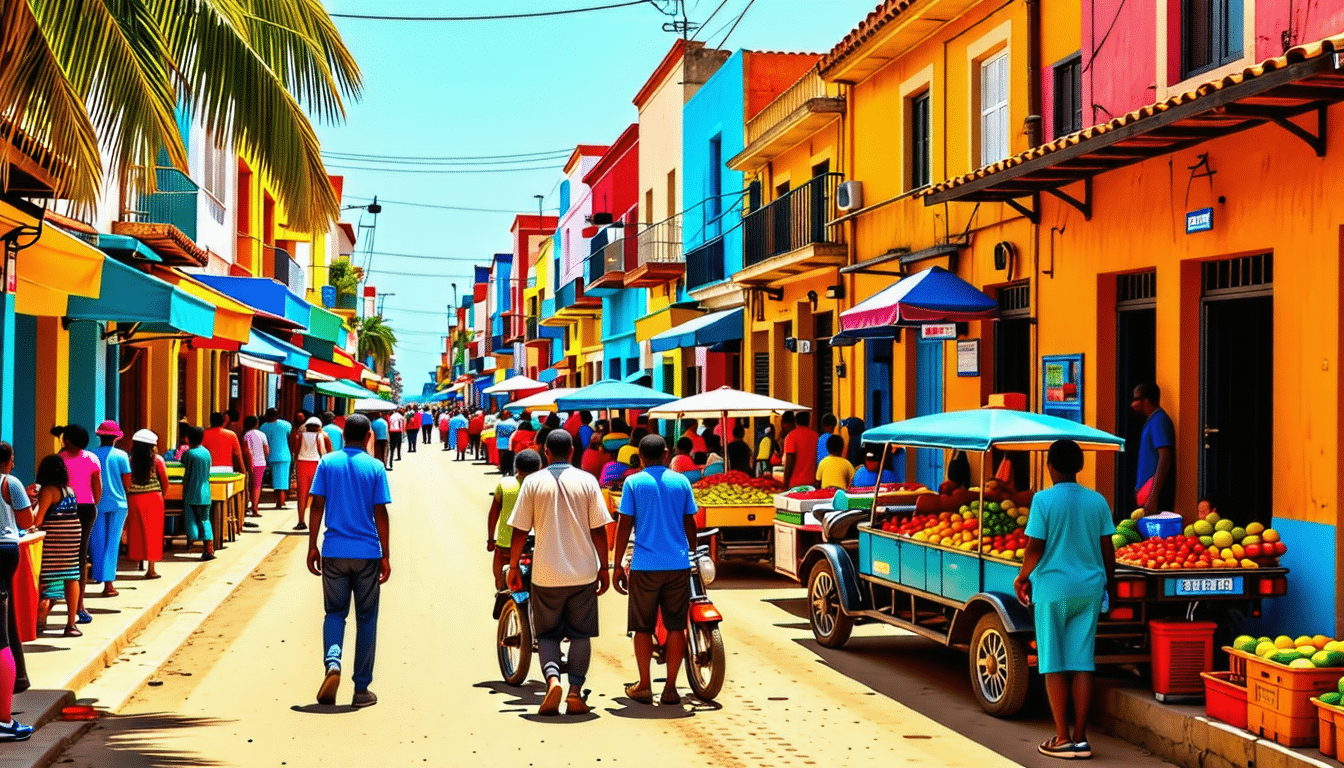
Dakar, the capital of Senegal, is a fascinating city where history, culture, and natural beauty blend harmoniously. Formerly a colonial trading post, the city is a true kaleidoscope of European and African influences, evident through its architecture, cuisine, and traditions. From emotionally charged historical sites to contemporary architectural gems, and a vibrant cultural scene, Dakar promises to dazzle its visitors at every turn. Get ready to dive into the heart of this dynamic metropolis that is sure to captivate you.
The Historical Sites of Dakar
Dakar is brimming with historical sites that testify to its tumultuous past, particularly its role during the slave trade. Each of these places offers a unique perspective on the country’s history.
The House of Slaves
Perched on the island of Gorée, a UNESCO World Heritage site, the House of Slaves is one of Dakar’s most emblematic monuments. This moving museum pays tribute to the millions of people who suffered during the transatlantic slave trade. A visit here allows you to feel the depth of the legacy and to understand the fight for human dignity.
The Thiaroye Massacre Memorial
This memorial site evokes the tragic events of 1944, when Senegalese soldiers were shot by French colonial forces. It invites visitors to reflect on the struggles for freedom and justice in Senegal.
The Architectural Wonders of Dakar
The architecture of Dakar is a captivating blend of colonial and modern styles, offering a fascinating showcase of the city’s urban evolution.
The Great Mosque of Dakar
With its imposing minarets and refined Islamic ornaments, the Great Mosque is an architectural masterpiece. It serves as a central place of worship for the Muslim community and an iconic landmark for visitors.
The Presidential Palace and Independence Square
The Presidential Palace, a symbol of Senegal’s independence, is another iconic monument. Adjacent to Independence Square, an emblematic space surrounded by lush gardens and imposing colonial buildings, this place will captivate those who appreciate history and architecture.
Local Culture and Activities in Dakar
Dakar is also renowned for its vibrant cultural life and enriching activities, making it a must-visit destination for culture enthusiasts.
Kermel Market
This lively market offers a vast variety of products, ranging from fresh fruits and vegetables to artisanal souvenirs. Immersing yourself in the hustle and bustle of this market is an experience in itself, full of colors and flavors.
The Dakar Biennale
One of the most anticipated artistic events, this contemporary exhibition attracts artists from around the world. It provides a platform to reflect on art and African culture in a global context.
Ngor Village
A charming fishing village where one can discover a relaxed atmosphere, colorful houses, and a welcoming community. It is the perfect place to spend a day relaxing by the sea.
The Natural Beauty of Dakar
Beyond the urban landscape, Dakar is also surrounded by beautiful natural scenery that invites escape.
The Beaches of Soumbédioune and Ngor
These beaches are popular spots for swimming, sunbathing, and enjoying the joyful atmosphere that prevails in Dakar. Away from the hustle and bustle of the city, they offer a haven of peace and serenity.
The Bandia Reserve
Located a few kilometers from the city, this wildlife reserve allows you to see a diverse range of fauna, including giraffes and rhinoceroses, while supporting local conservation initiatives.
The Sine-Saloum Delta
An enchanting landscape listed as a UNESCO World Heritage site, ideal for a boat excursion through its mangroves and peaceful islands.
The Local Cuisine to Discover
Senegalese cuisine is one of the treasures to savor during a visit to Dakar. Typical dishes like thieboudienne, a delight made of fish and rice, or yassa, a marinated chicken dish with lemon, are sure to delight gourmet palates.
Everyday Life in Dakar
To truly immerse yourself in the Dakar culture, it is essential to observe the daily life of the residents. Take the time to stroll through the streets of the Medina, share a traditional meal, and interact with the locals. Their stories and smiles will enrich your experience.
Local Customs and Traditions
Understanding and respecting local customs is essential. Senegalese culture is characterized by a deep respect for elders, the importance of traditional greetings, and modest dress.
Support for Sustainability and Community Engagement
For an ethical and responsible journey, it is good to support local initiatives that promote sustainable tourism. By interacting with the local population and adopting environmentally friendly practices, every visitor can contribute to the conservation of Dakar’s cultural and natural wealth.


