

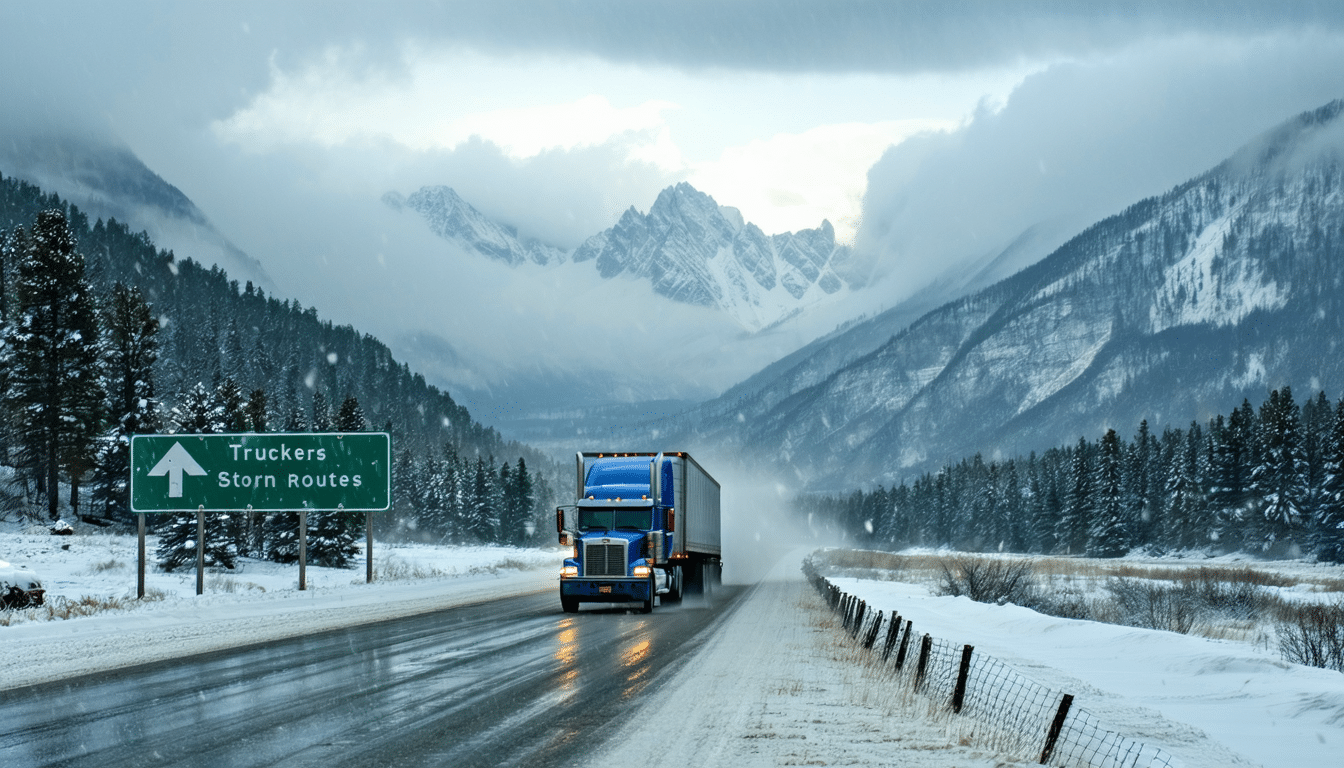
In the face of devastating weather conditions, road safety must be an unquestionable priority. The snowstorm forecasted for the Western Slope requires truck drivers to take crucial preventive action. The CDOT’s recommendations emphasize the importance of choosing alternative routes to minimize the risks of accidents. Extreme weather conditions exacerbate road dangers, making every trip perilous. Safety officials urge an immediate adjustment of routes, highlighting the need for heightened vigilance. Avoiding traffic in these frozen areas becomes imperative to preserve the safety of drivers and cargo. Assessing safe paths to take is a vital issue.
| Information | Details |
| Recommendation | Avoid traveling through the Western Slope region during snowstorms. |
| Advice | Although the CDOT cannot enforce this restriction, it encourages drivers to take alternative routes. |
| Objective | Improve safety and security following difficult weather conditions. |
| Situation | Predictions of heavy snowfall are expected, making travel dangerous. |
| Consequences | Traffic jams and accidents are more likely due to slippery roads. |
CDOT Recommendations
In light of the severe weather conditions expected, the Colorado Department of Transportation (CDOT) urges truck drivers to avoid the roads of the Western Slope. This decision responds to weather forecasts indicating an especially intense snowstorm.
Reasons to Avoid the Western Slope
Forecasts indicate an increased risk of traffic jams and accidents due to significant snow accumulations. Road authorities are striving to ensure the safety of drivers by suggesting alternative routes.
Truck transport in this region during a storm can become perilous. Traffic conditions can rapidly deteriorate, making every trip potentially dangerous.
Recommended Alternative Routes
CDOT recommends that drivers take routes through areas less affected by the weather. Northern routes, such as Route 70, represent a viable option to avoid the main roads hit by snow. Particular attention should be paid to the specific conditions of each chosen route.
Safety Guidelines During Travel
Truck drivers must adapt their driving to winter conditions, including reducing speed and increasing safety distances. Preparing emergency equipment in the truck is also good practice. Carrying snow chains or survival kits improves the chances of staying safe in case of an incident.
Communication with Authorities
Staying in contact through communication channels with local authorities is essential. The CDOT regularly provides updates on road conditions, allowing truck drivers to plan accordingly. Using traffic apps can also provide accurate information on real-time conditions.
Emergency Situations
Drivers must also be prepared for potential emergencies. In the event of impossible traffic conditions, retreating to a safe place, such as a rest area, can be a wise decision. Having an emergency action plan is essential to ensure safety during the storm.
Importance of Vigilance
The vigilance of truck drivers is key to road safety. During a storm, every driver enhances road safety by being cautious and attentive. Taking the time to assess road conditions and adjust one’s route can transform into a guarantee of safety.


