

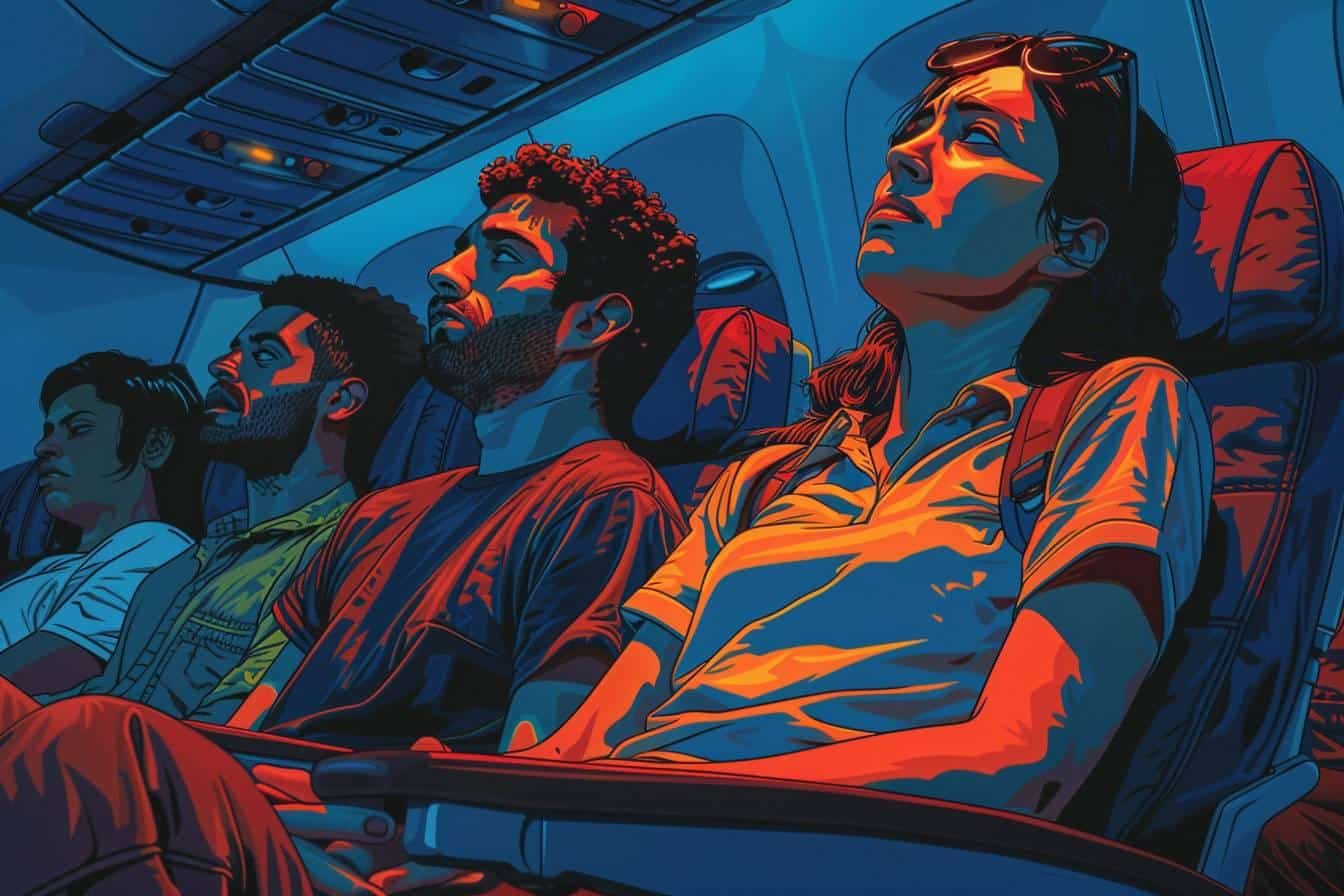
The recent *controversies* surrounding seat hogs are spreading like wildfire on social media. This phenomenon, indicative of contemporary behaviors while traveling, raises heated debates about the civility of passengers, exacerbated by the stress of air travel. Many voices are being raised, denouncing the selfishness of impatient individuals at the end of a flight.
Pushing others to exit quickly is becoming the norm. The delicate perception of waiting during disembarkation crystallizes latent tensions within cabin classes. In the face of the acceleration of these behaviors, airlines are confronted with unprecedented challenges regarding travel ethics.
| Key Point | Description |
| Seat hogs | Definition of seat squatters who occupy places assigned by other passengers. |
| Inflames social media | The phenomenon incites lively debates and sharing of experiences on social platforms. |
| Behavior | Impatient passengers seek to take possession of unassigned seats. |
| Airlines’ reaction | Measures are being put in place to manage this growing trend. |
| Social pollution | The behaviors of travelers cause tensions and inconveniences onboard. |
| Solutions | Tips for exchanging seats and avoiding conflicts. |
The origins of seat hogs
The term “seat hogs” emerges to describe passengers who, in a quest for better comfort, occupy seats that are not assigned to them. This trend, which has intensified with the proliferation of low-cost flights, reflects a behavioral shift among travelers, often motivated by a misguided perception of seat ownership.
Observed behaviors onboard
Passengers in search of superior comfort do not limit themselves to squatting in an unoccupied seat. They also create tensions by refusing to yield their seat to those entitled to it. Such acts result in disputes that disrupt the atmosphere onboard and provoke a general discomfort among passengers.
Social media as a forum
Digital platforms are becoming the home of a growing controversy around seat hogs. Travelers share their experiences and highlight behaviors deemed inappropriate. Revelatory anecdotes illustrating the arrogance of certain passengers are presented, provoking both laughter and dismay simultaneously.
Airlines facing the phenomenon
In response to this rise in undesirable behaviors, some airlines are adopting strategies aimed at curbing the problem of seat squatters. The implementation of new control and communication systems onboard becomes essential to regulate these situations. At the same time, awareness campaigns on flight etiquette are multiplying.
Traveler testimonials
Traveler stories often shed light on the inconveniences caused by seat hogs. One recounts how a passenger insisted on keeping a seat that did not belong to them, causing quite a commotion during boarding. These incidents reveal important elements of human behavior in confined environments.
Reactions and discussions online
Discussions around seat hogs have now taken the form of viral controversies. Internet users are questioning the ethics of these behaviors, raising issues surrounding collective responsibility onboard. The echo of these debates on social media, such as Reddit, illustrates the growing disenchantment of passengers towards behaviors deemed selfish.
Proposals for harmonious coexistence
Conceiving solutions to ease tensions during flights remains a priority. The suggestion of a friendly seat exchange emerges as a pragmatic solution. A simple exchange, based on criteria of affinity or comfort, can transform the travel experience, minimizing friction.


